
Slow Travel in Europe: Why Fewer Cities Create a Better Trip

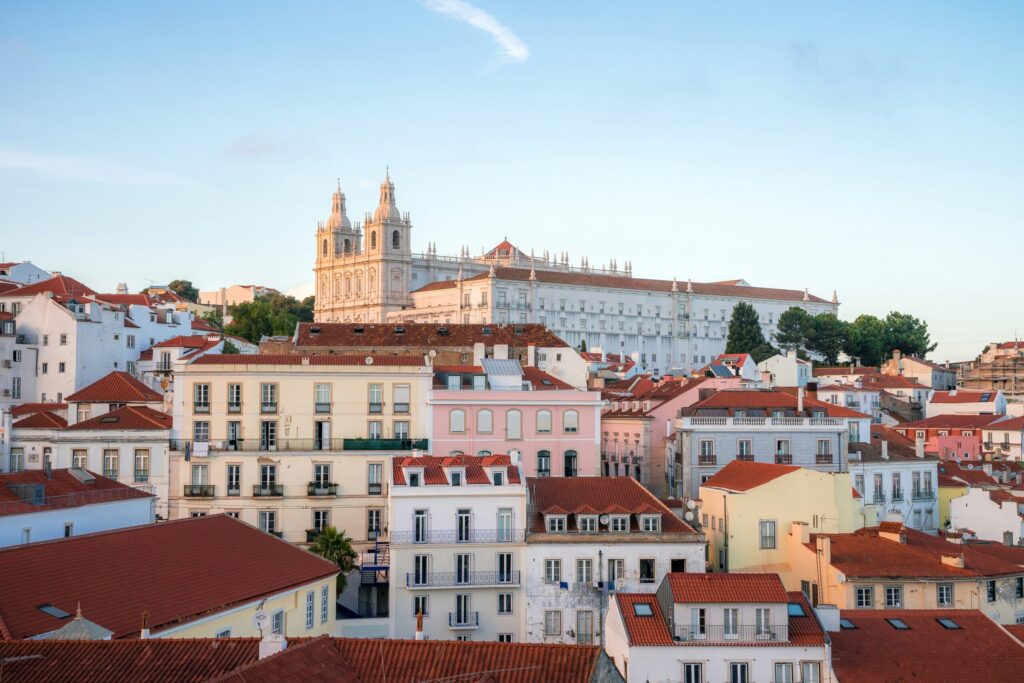
Travel in Europe often comes with a familiar temptation: see everything, as quickly as possible. Five countries in ten days. A new hotel every night. A checklist of landmarks instead of memories.
Slow travel offers a different—and often far more rewarding—approach. By choosing fewer cities and staying longer in each place, you create space for deeper experiences, smoother logistics, and a trip that actually feels like a vacation.
If you’ve ever come home from Europe exhausted instead of inspired, this style of travel may be exactly what you’ve been missing.
What Is Slow Travel in Europe?
Slow travel is about intention, not inactivity. It means:
- Spending 3–5 nights (or more) in each destination
- Prioritizing neighborhoods, cafés, markets, and daily rhythms
- Traveling mostly by train or short transfers instead of constant flights
- Leaving room for rest, spontaneity, and discovery
This approach works especially well in Europe, where compact geography, excellent rail systems, and deeply local cultures reward travelers who linger.
Why Fewer Cities Lead to a Better European Trip
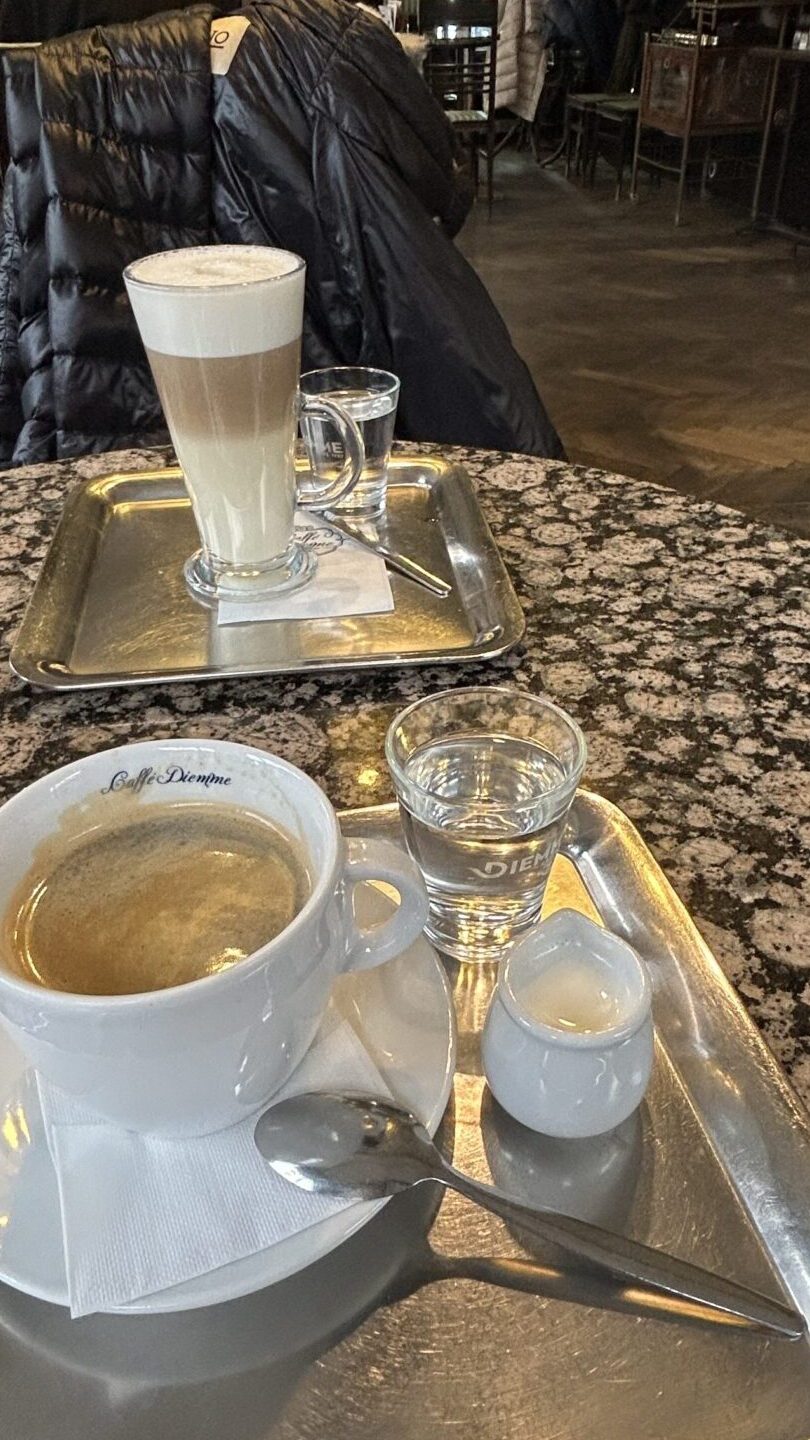
1. Less Time Moving, More Time Experiencing
Every change of city comes with hidden costs: packing, transit, hotel check-ins, orientation, and mental fatigue. By cutting back on destinations, you reclaim entire days of your itinerary.
Instead of racing from Paris to Amsterdam to Rome, imagine actually living in one city—returning to the same café each morning, recognizing shop owners, and feeling oriented rather than rushed.
(Internal link opportunity: Winter City Breaks in Europe)
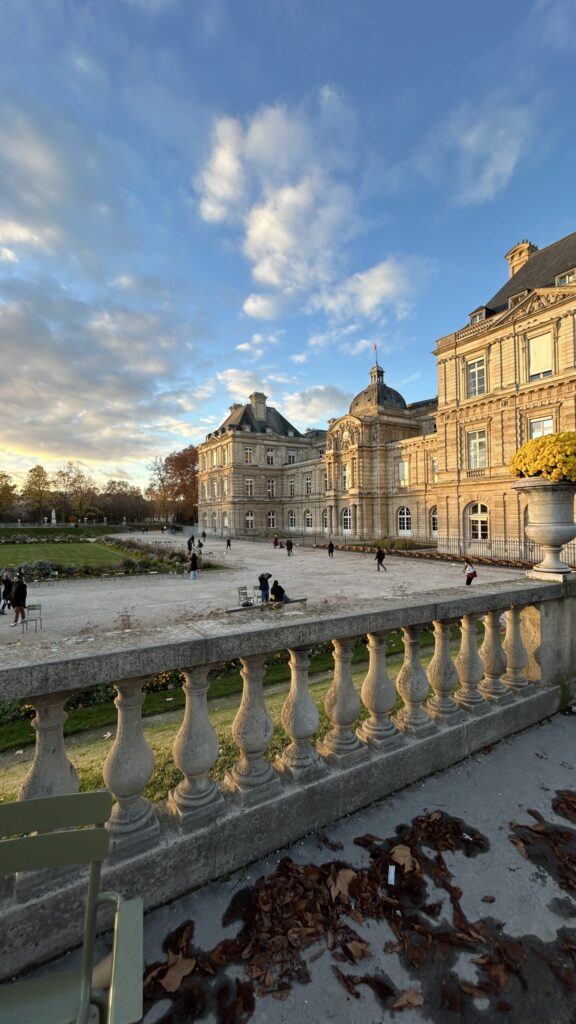
2. Deeper Cultural Connection
When you stay longer, the destination stops feeling like a backdrop and starts feeling personal.
You learn how the city moves at different times of day. You notice local habits. You begin to understand not just what makes a place beautiful—but how people actually live there.
Slow travel is especially powerful in cities like:
- Vienna
- Prague
- Budapest
- Florence
- Paris
3. A Calmer, More Restorative Pace
Travel burnout is real, and it often comes from over-planning. Fewer cities allow for:
- Later mornings
- Afternoon breaks
- Unscheduled wandering
- Even a quiet evening doing nothing at all
This is where travel becomes restorative instead of draining. You return home grounded, not depleted.
4. Better Value for Your Travel Budget
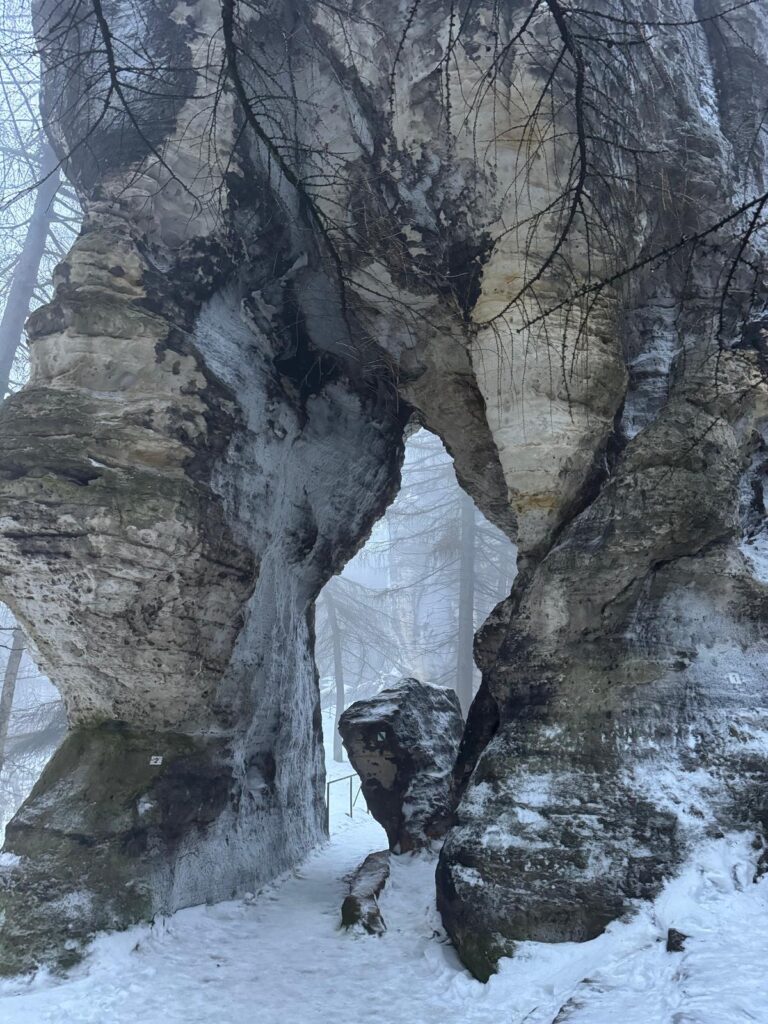
Slow travel can actually save money. Longer stays often unlock:
- Better hotel rates
- Apartment or boutique hotel options
- Reduced transportation costs
- Fewer impulse expenses driven by exhaustion
It also makes it easier to invest in meaningful experiences—like a cooking class, a nearby hike, a private walking tour, or spa afternoon—rather than spending constantly on logistics.
How to Plan a Slow Travel Europe Itinerary
Choose One Region, Not the Whole Continent
Instead of hopping countries, focus on one area:
- Northern Italy
- Central Europe
- Southern France
- Spain & Portugal
This allows for easy train connections and a cohesive experience.
Anchor Your Trip With One or Two Base Cities
Select cities that offer:
- Strong rail connections
- Walkable neighborhoods
- A mix of culture, food, and day-trip options
From there, add gentle day trips rather than overnight moves.
Build in Free Days
Not every day needs a plan.
Some of the most memorable moments come from:
- Wandering into a local shop
- Sitting in a park with a book
- Saying yes to a recommendation from a local
Leave breathing room—it’s where the magic lives.
Travel Essentials for Slow Travel
Slow travel shines when you’re comfortable, organized, and flexible. A few thoughtfully chosen travel essentials can make all the difference:
- Lightweight carry-on luggage that’s easy to maneuver on trains
- Comfortable walking shoes designed for full days on cobblestones
- Packing cubes to stay organized during longer stays
- A crossbody day bag for hands-free exploring
- Travel adapters with multiple USB ports for slower hotel charging setups
These are small upgrades that support a calmer, more seamless journey—and they’re especially helpful when you’re staying put longer.
Who Slow Travel Is Best For
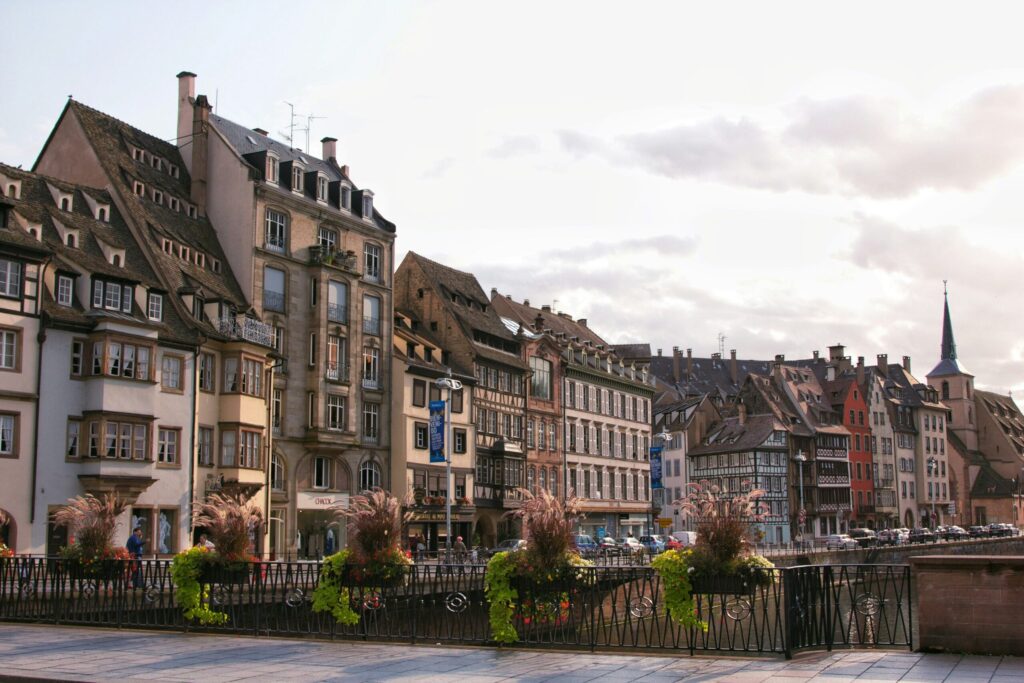
Slow travel is ideal if you:
- Prefer quality over quantity
- Want to feel immersed, not rushed
- Value comfort, aesthetics, and ease
- Are traveling for restoration, not just sightseeing
It’s also perfect for first-time visitors who want to truly understand a destination instead of skimming the surface.
Final Thoughts: Travel That Feels Like Living
Europe rewards travelers who slow down.
When you choose fewer cities, you trade chaos for clarity—and checklists for connection. The trip becomes less about what you saw and more about how you felt.
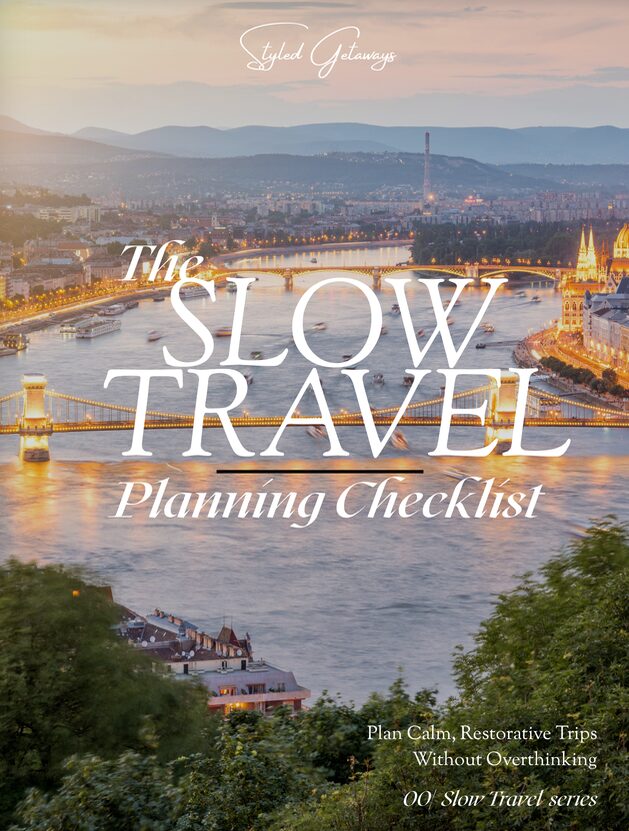
If your next journey is about beauty, presence, and meaning—not just miles logged—slow travel may be the most luxurious choice of all. If you want a full guide and workbook, download it below:
Other posts you might like:
- The Best Time to Visit Europe’s Top Cities (By Weather & Crowds)
- Winter City Breaks You Can Do in a Long Weekend
- Where to Stay in the Alps: Chalet Hotels and Boutique Mountain Escapes
Affiliate Disclaimer
This post may contain affiliate links, which means I may earn a small commission if you make a purchase through them—at no additional cost to you. I only share products I genuinely believe add value to your travel experience.



[…] Slow Travel in Europe: Why Fewer Cities Create a Better Trip […]
[…] How to Plan a Stress-Free European Vacation […]