
Curaçao: The Rainbow Island That Belongs on Your Winter Wish List

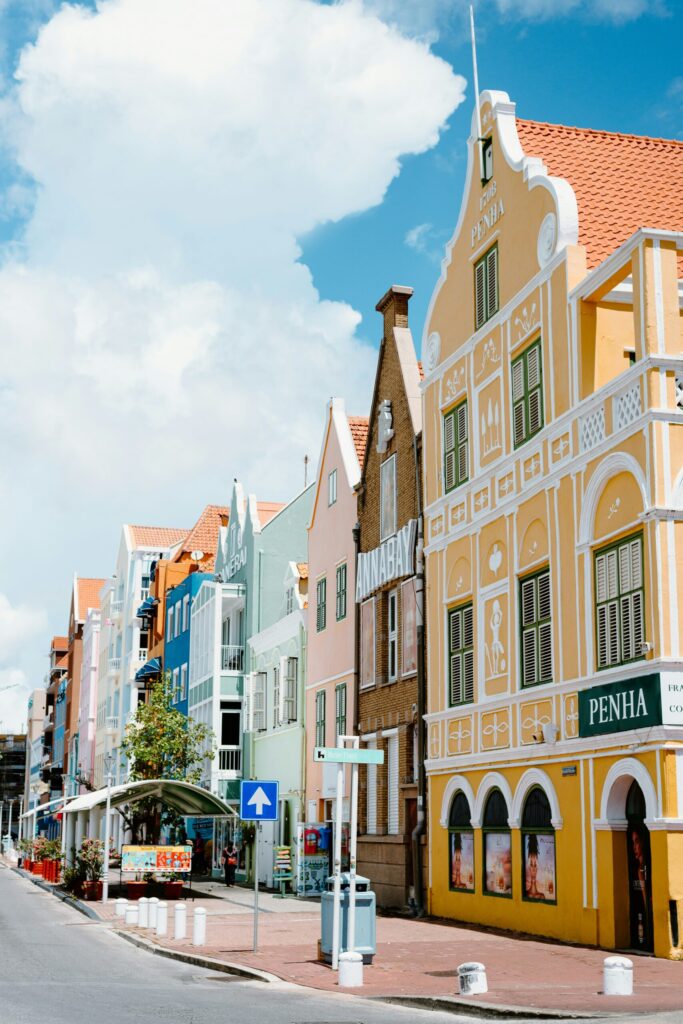
Some islands are pretty. Curaçao is painted.
It’s the first thing you notice – before the beaches, before the water – the color. A waterfront of buildings in melon and sky blue and butter yellow, leaning gently toward each other like old friends at a party. A coastline where cactus forests meet water so many shades of blue that you run out of names for it. I’ve been thinking about it a lot lately, because a multi-generational group I’m working with just booked a trip there for next summer, and choosing Curaçao for a group that size said something to me about what this island actually offers.
So consider this your heads-up: this is the warm-weather escape people keep landing on once they look past the usual suspects.
First, the color
Willemstad’s Punda waterfront – the famous Handelskade row – looks like a paint box that tipped over into the harbor. The story goes that the buildings were once all white until the glare drove a colonial governor to headaches, at which point the island was ordered to paint.
Whatever the origin, the result is pure joy: a UNESCO-recognized waterfront where every photograph looks like a Wes Anderson frame. The Queen Emma pontoon bridge swings open for ships that pedestrians ride across the harbor – a small, silly, perfect experience that costs nothing and stays with you.
The color doesn’t stop downtown. Curaçao’s landscape itself is the Caribbean’s odd one out: arid, dotted with cacti, and divided from its green neighbor Aruba by more than a name. It gives the island a light you don’t get elsewhere – bright, dry, and generous to photographers.
The beaches are the quiet flex
Here’s the thing nobody warns you about: Curaçao’s beaches aren’t wide white sand plains – many are coves, tucked between limestone cliffs, each with its own personality.
- Kenepa (Grote Knip) is the postcard: a wide turquoise amphitheater that photographs like it’s been filtered in real life.
- Playa Porto Mari has a reef right offshore, so snorkeling remains pretty close-by.
- Cas Abao feels like a small beach club day – palm shade, calm water, easy afternoon.
None of this is secret, exactly, but nothing is overrun either – Curaçao sits just outside the main hurricane belt and just outside the mainstream Caribbean destinations.
When to go
Curaçao sits south of the hurricane belt, which makes it one of the Caribbean’s most reliable bets in a season when other islands hold their breath. The dry stretch runs roughly December through April – warm days, steady trade winds, low rain. Summer is hotter and more humid but still popular, and the sea is bathtub-warm.
The little things that stay with you
The iguanas sunbathing like tiny dinosaurs who pay taxes. The taste of blue curaçao liqueur in the place it was actually born. The boat trip out to Klein Curaçao – a bare sand spit with a lighthouse and water so clear it looks fake – where the island shows you what it looked like before anyone built anything.
Warm-weather season planning starts earlier than you think, and Curaçao rewards the early bookers the same way everywhere does: better rooms, better prices, and more time to look forward to the trip. If you want help turning this from a wish list into a booking, my intro call is right here.
More warm-weather dreaming: my guide to winter sun escapes for December, a luxury week in Saint Lucia, and the travel destination quiz that matches you to your perfect getaway.
This post contains affiliate links. If you book through my links, I may earn a small commission at no extra cost to you. I only recommend hotels I have thoroughly researched or would plan for my own clients. For full-service travel planning, visit Styled Getaways.
Disclaimer: This blog is for general information only and reflects the author’s opinions at the time of writing. Details like prices, hours, and availability change without notice – verify directly with each hotel or vendor before booking. Use of this information is at your own risk; the author and Styled Getaways are not liable for any loss, injury, or inconvenience arising from its use, and travel always involves inherent risks you assume responsibility for. Some links are affiliate links: if you book through them, I may earn a commission at no extra cost to you, which never changes what I recommend. Nothing here is legal, financial, or medical advice.

