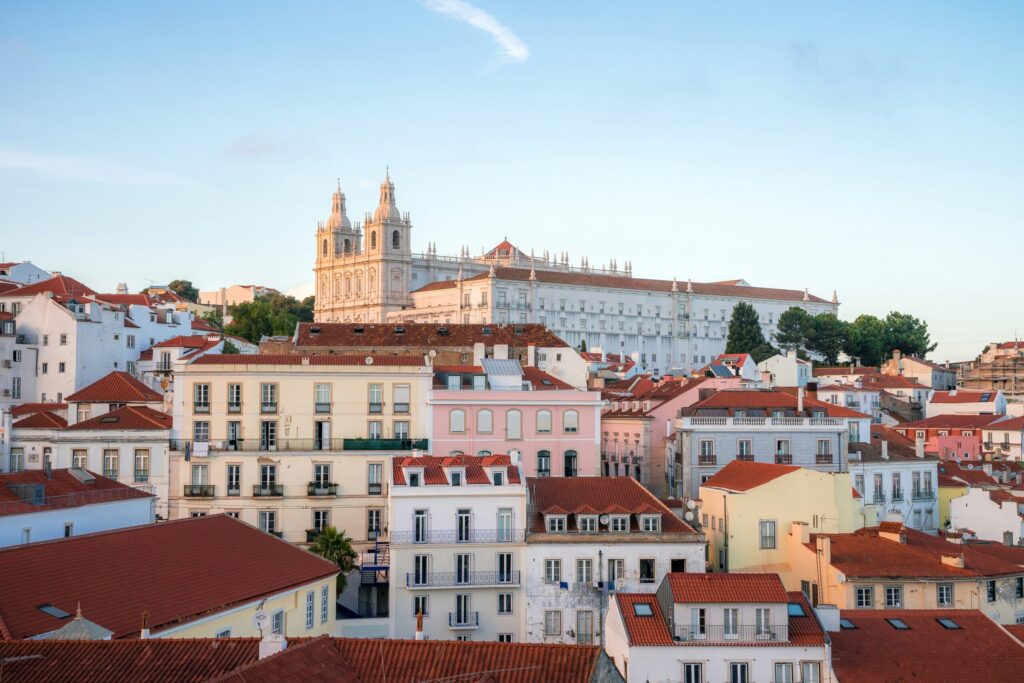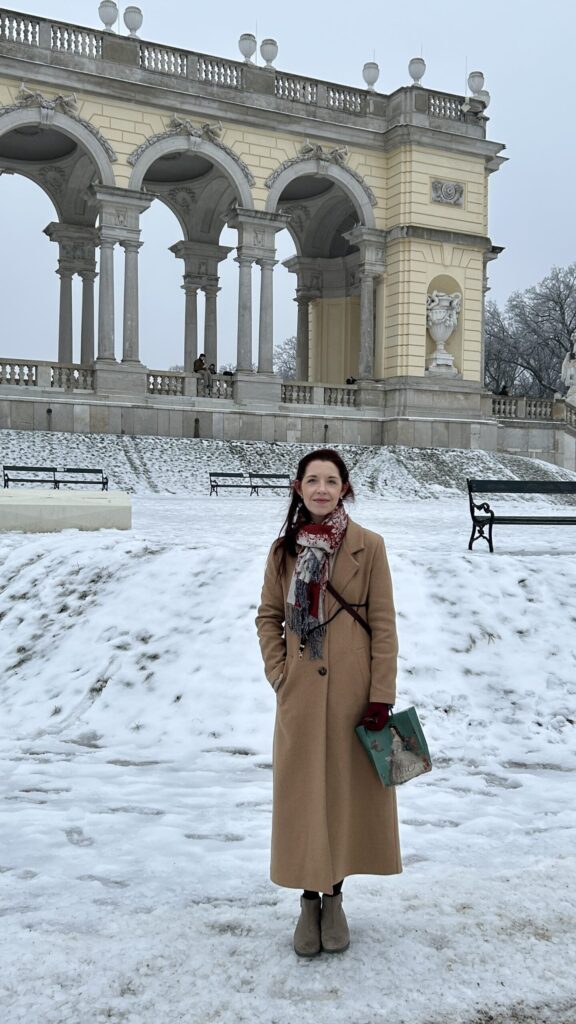
One of the most common questions travelers ask when planning a European trip is when to go. Summer may get the spotlight, but for travelers who value atmosphere, value, and ease, winter and shoulder season often deliver the most rewarding experiences.
Both offer quieter cities, better pricing, and a more relaxed pace—but they feel very different on the ground. Understanding the nuances between winter travel and shoulder season in Europe can help you choose the timing that truly matches your travel style.
What Is Shoulder Season in Europe?
Shoulder season typically refers to the periods just before and after peak summer travel:
- Spring: April–early June
- Fall: September–October
During these months, Europe feels alive but not overwhelmed. The weather is generally mild, attractions are open, and crowds are noticeably lighter than summer—without the deep quiet of winter.
What Is Winter Travel in Europe?
Winter travel usually spans late November through February, excluding the holiday peak around Christmas and New Year.
This season is defined by:
- Fewer tourists
- Shorter days
- Cooler temperatures
- A slower, more local rhythm of life
For the right traveler, winter can feel intimate, atmospheric, and deeply restorative.
Winter Travel in Europe: Who It’s Best For
Why Travelers Love Winter in Europe
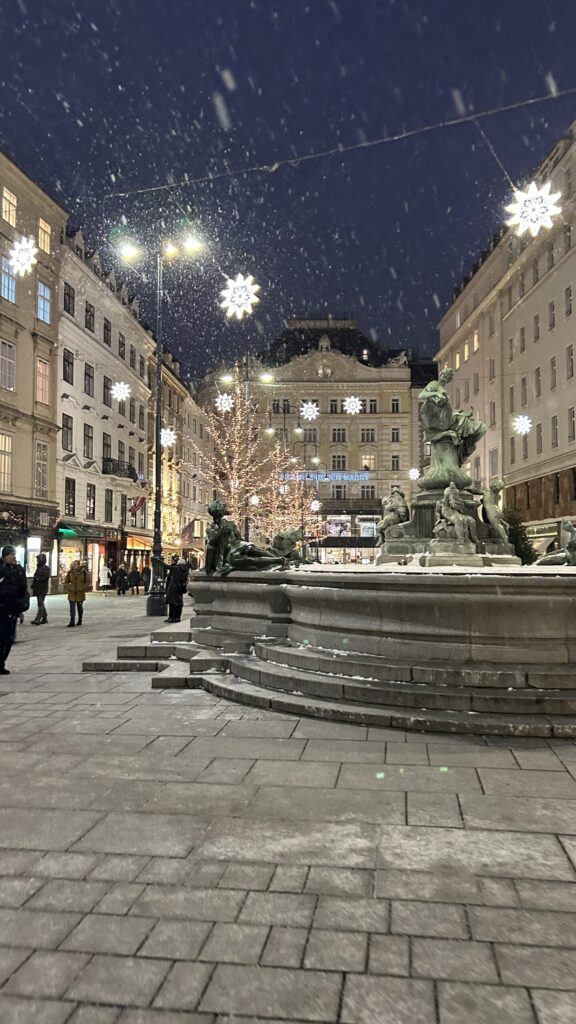
Winter in Europe offers a quieter, moodier version of iconic cities—one that feels less like sightseeing and more like being there.
Winter is ideal if you:
- Prefer calm streets and uncrowded landmarks
- Love cafés, museums, concerts, and cultural experiences
- Enjoy cozy hotels and candlelit dinners
- Want the best value on flights and accommodations
Cities like Vienna, Prague, Budapest, Paris, and Copenhagen truly shine in winter, when their architecture and cultural life take center stage.
Things to Consider Before Choosing Winter
- Shorter daylight hours
- Colder temperatures (especially in Central & Northern Europe)
- Some seasonal attractions or coastal towns may be quieter or closed
If you’re comfortable layering up and planning around daylight, winter can be incredibly rewarding.
Shoulder Season in Europe: Who It’s Best For
Why Shoulder Season Is So Popular
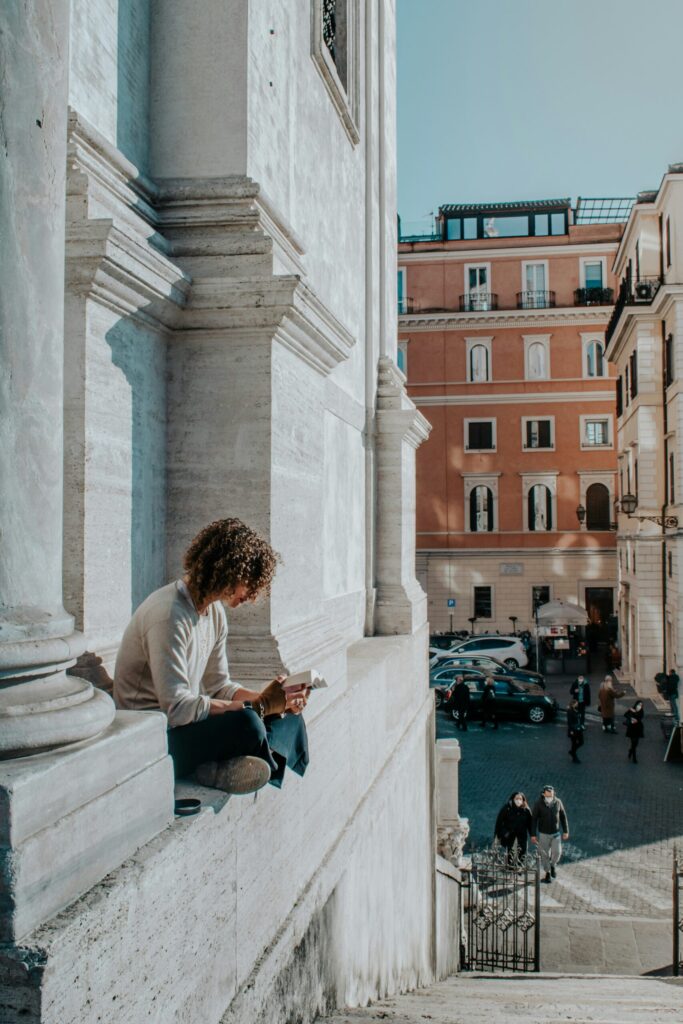
Shoulder season offers the best of both worlds: favorable weather without peak-season crowds.
Shoulder season is ideal if you:
- Want mild weather for walking and outdoor dining
- Plan to visit multiple cities or regions
- Love gardens, markets, and scenic train routes
- Want access to nearly everything, without summer chaos
Spring brings blossoms and fresh energy, while fall delivers harvest festivals, wine regions, and golden light.
Things to Consider Before Choosing Shoulder Season
- Prices are higher than winter (but lower than summer)
- Popular destinations can still feel busy during holidays or festivals
- Weather can be variable, especially in early spring
Winter vs. Shoulder Season: A Side-by-Side Look
Choose Winter If You Want:
- Maximum calm and minimal crowds
- Strong value on flights and hotels
- Museum-heavy, cultural itineraries
- A cozy, atmospheric experience
Choose Shoulder Season If You Want:
- Comfortable walking weather
- Outdoor cafés and gardens
- Easy pacing across multiple cities
- Broad attraction access with fewer closures
Neither is better—only better for you.
Packing Tips by Season
Choosing the right season also shapes what you pack. A few smart essentials can dramatically improve your experience.
Winter Travel Essentials
- Warm, stylish walking boots suitable for cobblestones
- A tailored wool coat or packable down jacket
- Thermal layers that don’t add bulk
- Touchscreen gloves and a compact umbrella
Shoulder Season Travel Essentials
- Comfortable walking shoes or loafers
- A lightweight trench or versatile jacket
- Layer-friendly knits and scarves
- A crossbody day bag for hands-free exploring
How to Decide: Ask Yourself These Questions
When choosing between winter and shoulder season, consider:
- Do I want quiet or energy?
- Is this trip more about culture or scenery?
- Am I okay dressing for cooler weather?
- Do I want to move slowly—or cover more ground?
Your answers will usually make the decision very clear.

Final Thoughts: Timing Shapes the Entire Experience
Europe doesn’t have a single “best” season: only the season that best fits your travel style.
Winter rewards travelers who crave stillness, culture, and atmosphere. Shoulder season suits those who want flexibility, beauty, and balance.
When your travel timing aligns with how you like to experience a place, the trip feels effortless—and unforgettable.
Other Posts You Might Like:
- Best Spa & Wellness Getaways in Europe for Winter
- The Best Time to Visit Europe’s Top Cities (By Weather & Crowds)
- Europe in January & February: Top Destinations to Visit After the Holidays
Affiliate Disclaimer
This post may contain affiliate links, which means I may earn a small commission if you make a purchase through them—at no additional cost to you. I only share products I genuinely believe enhance the travel experience.