Train Travel in Europe: What I Wish I Knew Before My First Rail Trip

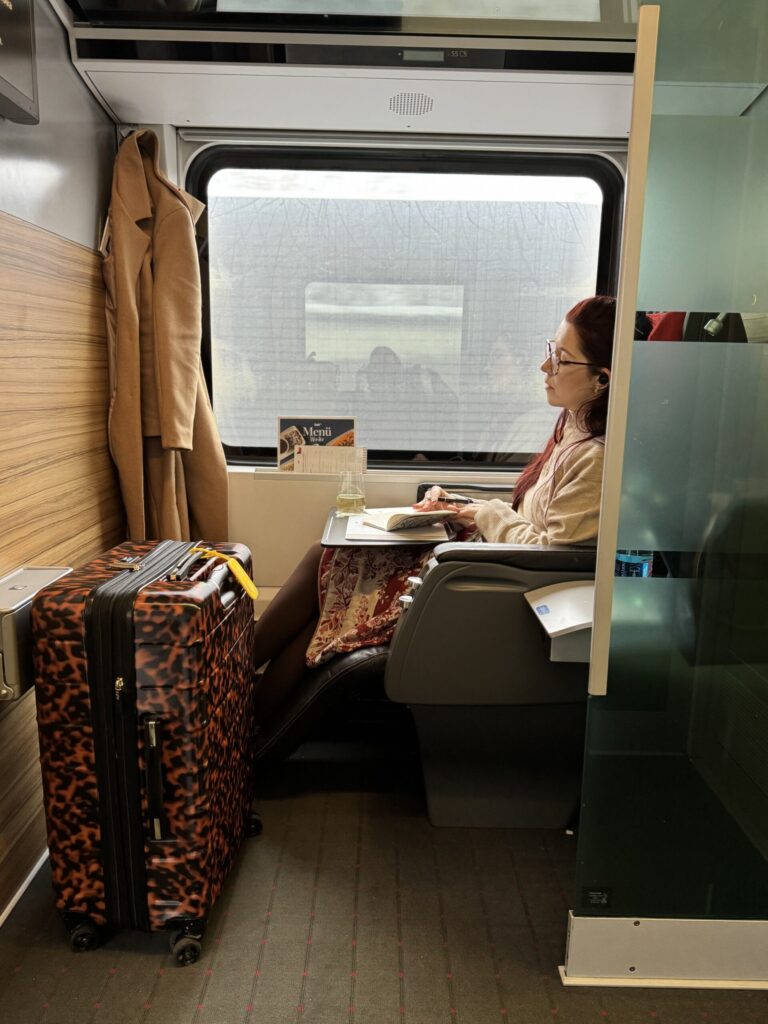
One of my favorite ways to travel through Europe is by train.
There’s something undeniably romantic about watching the countryside roll by, arriving directly in the heart of a city, and avoiding the endless cycle of airports, security lines, and baggage claims. Trains can make a multi-city trip feel seamless in a way that flying often doesn’t.
That said, train travel in Europe comes with a learning curve.
Before my first rail trip, I imagined it would be as simple as showing up and hopping on board. While it’s certainly easier than many people expect, there are a few things I wish I had known ahead of time that would have saved me stress, time, and a few rookie mistakes.
If you’re planning your first European rail adventure, here’s what I wish someone had told me.
Not Every Train Works the Same Way
One of the biggest surprises for first-time travelers is that Europe doesn’t have a single rail system.
Each country operates differently, and even within the same country, various train types may have different rules.
Some trains require seat reservations. Others don’t.
Some routes can be booked months in advance for excellent prices. Others operate more like local transportation with flexible ticketing.
Before traveling, it’s worth understanding whether your route requires:
- Advance reservations
- Assigned seating
- Passport information
- Ticket validation
A little research goes a long way.
Booking Early Can Save a Lot of Money
Many travelers assume train prices stay relatively consistent.
Unfortunately, that’s not always the case.
High-speed routes between major cities often work similarly to airlines, with prices increasing as departure dates approach.
Popular routes such as:
- Paris to Amsterdam
- Milan to Florence
- Vienna to Budapest
- Paris to London
can become significantly more expensive if you wait too long. If your dates are firm, booking early often results in the best fares.
Travel Light…Seriously
If there is one piece of advice I could give every first-time rail traveler, it’s this: Pack less than you think you need.
Unlike airports, train stations generally don’t have baggage handlers, luggage carts everywhere, or long check-in procedures. You’ll be responsible for moving your suitcase onto trains, through stations, up stairs, down platforms, and across city streets.
This becomes especially noticeable when:
- Changing trains
- Boarding quickly
- Navigating historic stations
- Walking between hotels and train stations
- Even just walking between platforms if stairs are involved and you need to find an elevator…or find that the elevator is out of service
Train Stations Can Be Huge
Many European stations function almost like miniature cities.
It’s not unusual to find:
- Multiple levels
- Dozens of platforms
- Shopping centers
- Restaurants
- Underground connections
Even experienced travelers can occasionally feel overwhelmed.
I now try to arrive at least 20 to 30 minutes before departure, especially in larger stations where locating the correct platform may take longer than expected.
Platform Numbers Sometimes Appear Late
This was one of the things that surprised me most.
In many European stations, platform assignments aren’t posted hours in advance. Sometimes they appear only shortly before departure. I have had to run to the platform before!
If you’re accustomed to airport-style gate assignments, this can feel unsettling the first time.
The best approach is simple:
- Monitor the departure boards
- Stay near your train’s listed departure area
- Be ready once the platform is announced
Everyone around you is usually doing the exact same thing.
When First Class Is Worth It
One thing I didn’t fully appreciate before my first European rail trip was how much the onboard experience can vary between classes. While standard class is perfectly comfortable on many routes, there are situations where upgrading can significantly improve your travel day.
I often recommend considering first class or business class if you:
- Are traveling with larger luggage
- Want more space to spread out and work
- Are taking a longer rail journey
- Value a quieter environment
- Want access to station lounges where available
- Appreciate included food and beverage service (varies between countries and services)
Depending on the rail operator and route, premium cabins may offer wider seats, additional legroom, priority boarding, lounge access, complimentary refreshments, and more generous luggage areas.
On a quick one-hour journey, the upgrade may not make much difference. But on longer routes – such as Paris to Milan, Zurich to Vienna, or other full-day travel experiences – it can transform what might feel like a transportation day into a genuinely enjoyable part of the trip.
For travelers carrying multiple bags or those who simply prefer a little extra comfort, I often find the upgrade well worth considering.
The Views Can Be Part of the Experience
One of the greatest advantages of rail travel is that the journey itself becomes part of the trip.
Instead of staring at clouds from 35,000 feet, you’re watching:
- Vineyards
- Alpine landscapes
- Medieval towns
- Rolling countryside
- Coastal scenery
Some of my favorite travel memories weren’t destinations at all, they were moments spent looking out a train window somewhere between cities.
Give yourself permission to enjoy the ride.
Delays Happen, Don’t Panic
Europe’s rail networks are generally efficient, but delays do happen.
The best thing you can do is build a little flexibility into your schedule.
Avoid:
- Tight connections
- Overpacked arrival days
- Scheduling non-refundable activities immediately after arrival
A slightly slower pace makes train travel much more enjoyable.
Why I Still Prefer Trains Whenever Possible
Despite the occasional delay or confusing station announcement, I still choose trains whenever they make sense.
They offer:
- Less stress than airports
- City-center arrivals
- Beautiful scenery
- More comfortable travel days
- A slower, more enjoyable pace
For many European itineraries, trains aren’t simply transportation – they’re part of the experience itself.
Planning a Multi-City Europe Trip?
Choosing when to fly, when to take the train, and how to connect destinations efficiently can be one of the most overwhelming parts of planning a European vacation.
If you’d rather skip the guesswork, Styled Getaways can help create a personalized itinerary that balances transportation, hotels, sightseeing, and downtime so your trip feels seamless from start to finish.
Whether you’re planning your first European rail adventure or your fifth, I’d love to help you create a journey that’s as enjoyable as the destination itself.